en
 English
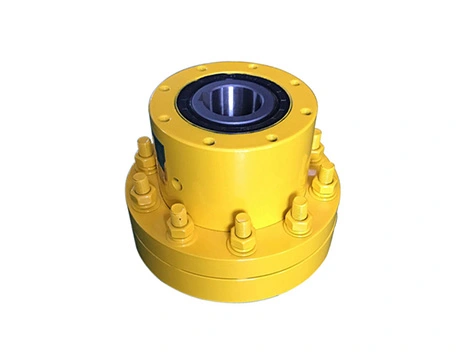
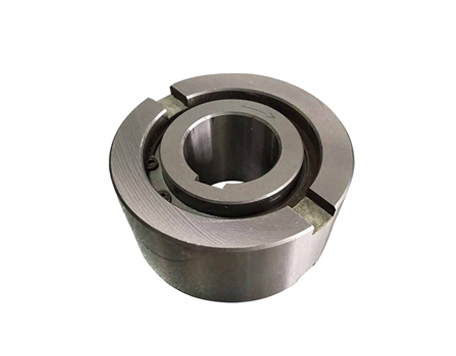
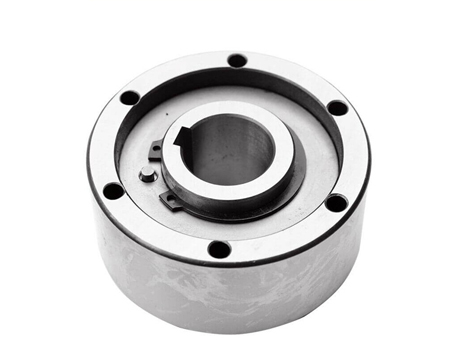
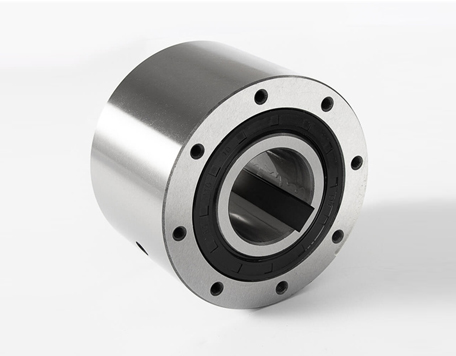
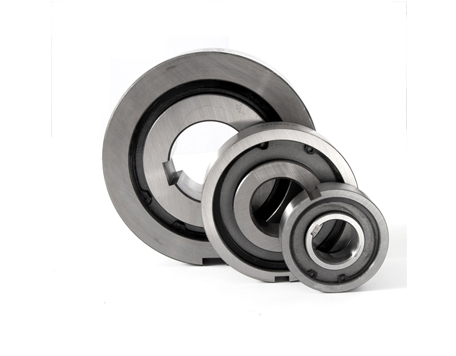
When sourcing from backstop clutch manufacturers, evaluate the spring mechanism’s durability—heavy-duty springs or preload systems must maintain consistent tension to prevent delayed engagement under stress.
Ensure components (such as the backstop bearing and housings) are made from special materials with protective coatings. This minimizes degradation and prevents moisture ingress in harsh environments, even under repetitive engagement cycles.
Effective heat dissipation is critical—consider integrated cooling fins or thermally stable lubricants to reduce warping risks during prolonged high-torque use, especially in backstop clutch systems.
Confirm compatibility with drivetrain dynamics: Match clutch dimensions and torque ratings to your vehicle’s power output and transmission type. For specialized designs like a backstop cam clutch, verify alignment with OEM specifications.
Prioritize suppliers with third-party testing certifications (e.g., ISO, SAE), as reputable backstop clutch manufacturers validate reliability under extreme conditions.
Some common signs that indicate the need to replace backstop clutch components include unusual noises, slipping, or failure to hold under load.
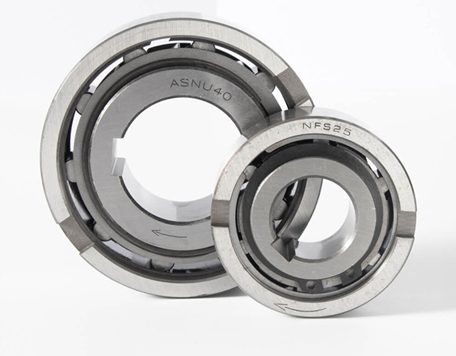
Unusual noises such as grinding or clicking may suggest wear in the backstop bearing or an indexing clutch malfunction.
Slipping often points to issues with the overrunning clutch, where it fails to engage properly under stress.
Failure to hold under load directly signals problems with the backstop clutch itself, reducing its ability to prevent reverse rotation—a critical safety function.
In heavy-duty applications, these failures can compromise both system integrity and operational efficiency. To prevent breakdowns, it’s essential to:
Diagnose issues early (e.g., inspect for bearing wear or clutch slippage).
Source replacements from reputable backstop clutch manufacturers to ensure durability.
For specialized systems like the backstop cam clutch, prioritize precision-engineered components that match OEM specifications.
Timely replacement maintains safe performance and prevents costly downtime.
Our clutches integrate corrosion-resistant materials and low-inertia designs to meet EV/hybrid torque demands and environmental resilience standards.
Yes, all products comply with IATF 16949 and region-specific standards (e.g., REACH, RoHS), with documentation provided for audit purposes.
Standard lead time is 4-6 weeks for orders above 5,000 units, with expedited options available for urgent OEM/ODM projects.
Email us
Call us
Address
NINGBO. ZHEJIANG. CHINA