en
 English

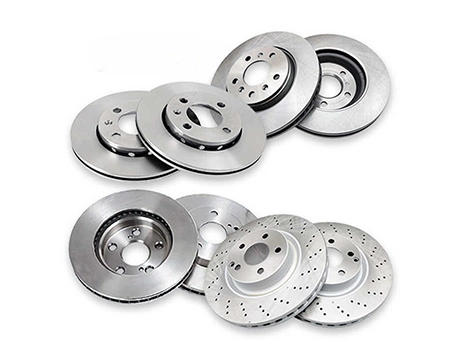
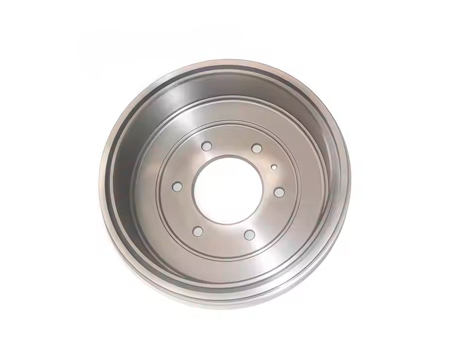
Evaluate rotor surface treatments, ensuring consistent friction under repeated heavy braking.
Upgrade brake line flexibility in order to minimize expansion under pressure for sharper pedal response and improved modulation.
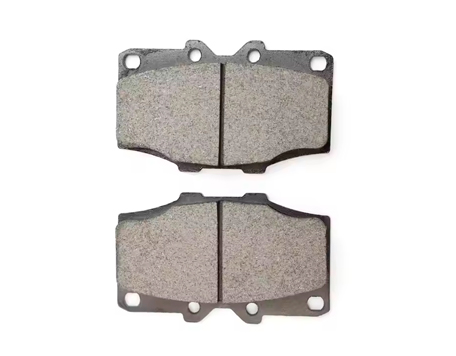
Match pad geometry to rotor size—oversized pads with chamfered edges reduce uneven wear and noise while maximizing contact area for aggressive applications.
Corrosion-resistant hardware: components like stainless-steel caliper bolts or zinc-plated brackets prevent seizing in harsh environments, ensuring long-term reliability.
Test for aerodynamic compatibility, given that vented rotor designs or ducted cooling kits manage airflow to avoid overheating during track use without disrupting vehicle aerodynamics.
Last, verify assembly tolerances. Precision-machined components can eliminate vibration and ensure balanced rotor alignment.
Failures in brake system can cause loss of braking power, delayed response, or uneven braking, leading to loss of vehicle control and increased collision risk.
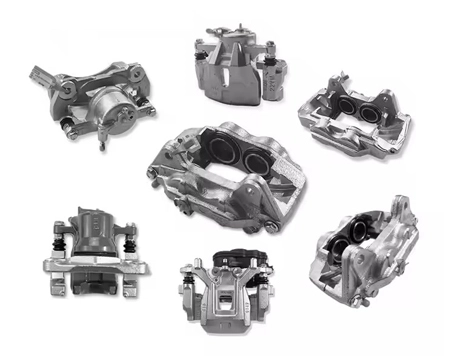
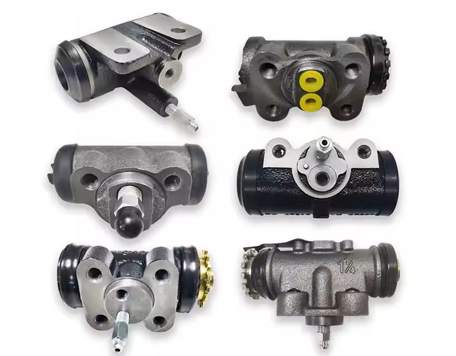
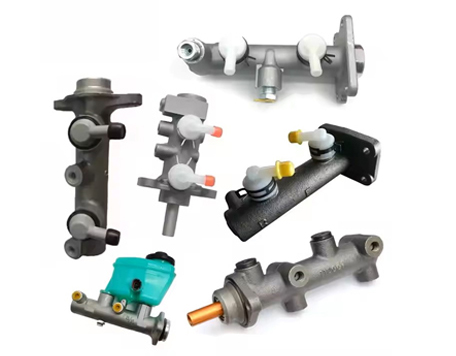
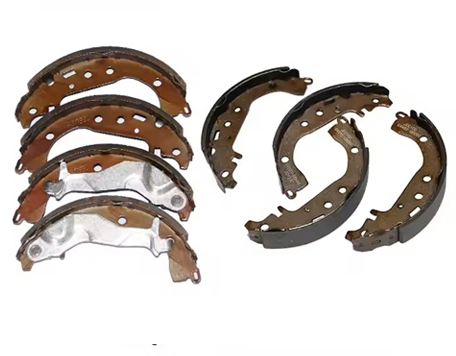
Recognizing warning signs ensures timely repairs: squealing or grinding noises signal worn brake pads, whose friction material degrades over time; uneven braking or pulling suggests stuck brake calipers due to clamping force imbalance. Soft/spongy pedals indicate leaks in the brake master cylinder, leading to hydraulic pressure loss, while excessive pedal effort points to a failing Brake Booster that loses power assistance.
Promptly replacing these components restores braking efficiency to prevents accidents.
Yes, all products meet IATF 16949 and regional OEM specifications, ensuring seamless integration into global supply chains.
Absolutely. We engineer tailored solutions for dimensions, materials, and performance based on client blueprints or technical requirements.
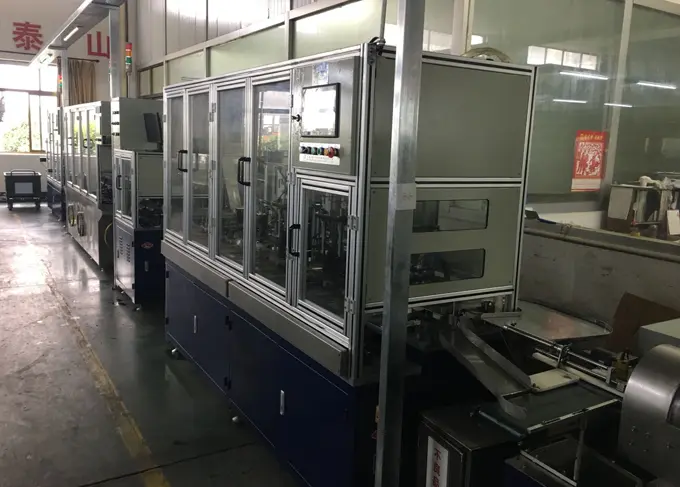
Each component has a unique log, enabling full lifecycle tracking from raw materials to final assembly.
Email us
Call us
Address
NINGBO. ZHEJIANG. CHINA