en
 English
Valve collet (also known as a valve cotter ,valve lock or valve keeper) is a small but crucial component in an internal combustion engine's valve train assembly. It secures the valve spring retainer to the valve stem, ensuring the valve remains properly seated while allowing it to open and close smoothly.
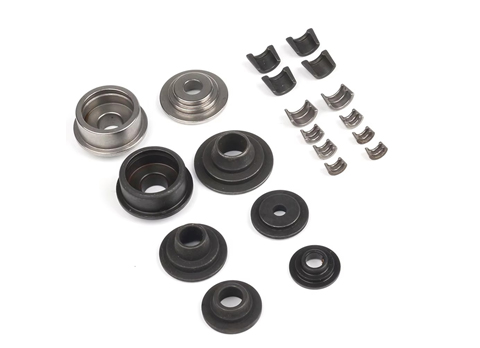
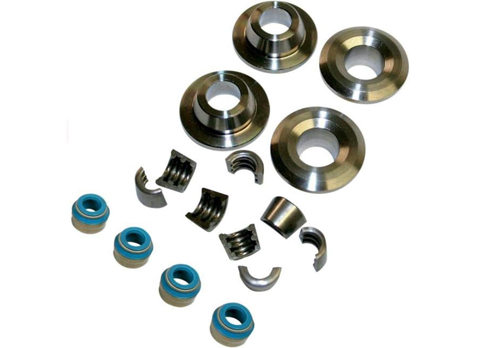
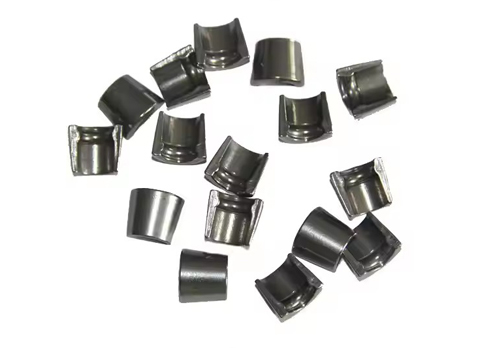
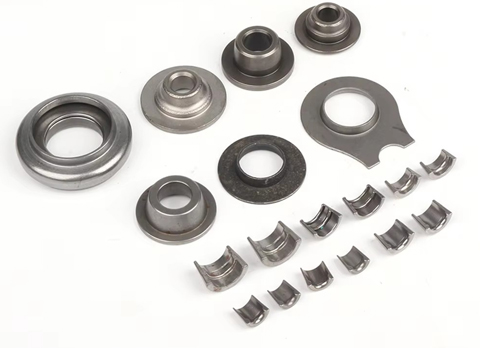
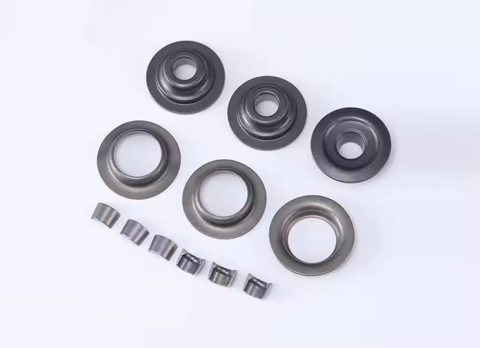
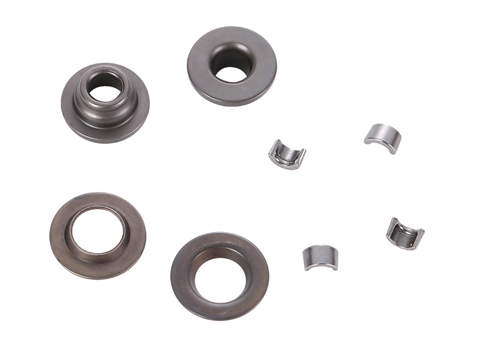

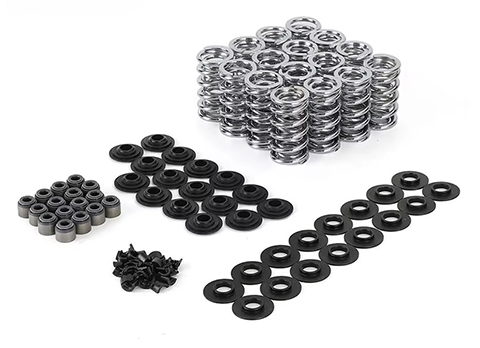
Valve collets, commonly referred to as valve keepers or valve locks, are essential components in an internal combustion engine's valve train system. These small but critical parts, often called engine valve collets, secure the valve spring retainer to the valve stem, ensuring it stays firmly in place during engine operation. By maintaining the valve spring's compression, the valve keeper supports precise valve timing, allowing the valve to open and close at the right intervals. This function, known as the valve lock function, is vital for engine performance and stability. Additionally, valve collets act as a fail-safe, preventing the valve from dropping into the combustion chamber, which could cause severe engine damage if the retainer fails. They also ensure valve stability by maintaining alignment, reducing wear on components like the valve guide and seat, thus fulfilling the valve lock meaning in engine mechanics.
Valve collets come in various designs to meet specific engine requirements and performance demands.
The most common type, split valve collets, consists of two half-cone-shaped pieces that fit around the valve stem. This design, often referred to as a valve cotter, provides easy installation and reliable retention due to its tight grip on the valve stem groove, making it ideal for standard automotive and small engine applications.
Single-piece valve collets, less common, are a continuous piece that slides over the valve stem, typically used in low-RPM or specialized applications where simplicity is prioritized.
For high-performance or high-revving engines, such as those in racing or heavy-duty applications, tulip or groove-style engine valve keepers are used. These feature a unique shape that enhances retention strength and reduces dislodgement risk under extreme conditions, often paired with valve stems having multiple grooves for added security, as illustrated in a valve keeper diagram.
Similarly, multi-groove valve locks engage multiple grooves on the valve stem, providing superior holding strength in environments with extreme heat, pressure, or RPMs, making them a preferred choice for engine valve lock applications.
Despite their critical role, valve collets face significant stress and environmental challenges that can lead to issues. Continuous cycling under high pressure and heat can cause material fatigue, leading to cracks or deformation. Worn engine valve collets may lose their grip, risking valve train failure or valve drop, which can cause catastrophic engine damage. Improper installation, such as incorrect seating or misalignment, can cause valve keepers to dislodge, leading to valve float or failure, especially if mismatched collets are used with the valve stem groove. Exposure to engine oil, high temperatures, and combustion byproducts can cause corrosion or pitting, weakening the valve lock over time. Material failure is a concern, particularly in high-performance engines, where low-quality or incompatible materials may fail prematurely. Overloading from excessive spring pressure or high RPMs can accelerate this failure, underscoring the importance of the valve keeper definition in maintaining engine reliability.
Proper maintenance and replacement of valve collets are crucial for engine reliability and performance. Routine inspection during valve train service or engine rebuilds is essential to identify wear, cracking, or corrosion. Replace engine valve keepers if any damage is detected. Use a high-quality valve spring compressor tool compatible with the engine's valve train for safe removal and installation to avoid damaging components. Ensure the collet type matches the valve stem's groove design—whether single-groove, multi-groove, or tulip-style—as mismatched valve locks can lead to poor retention and engine failure. Verify proper seating by ensuring collets are fully seated in the valve stem groove and the retainer locks securely, checking alignment to prevent uneven stress or dislodgement. Opt for collets made from durable, heat-treated materials like hardened steel or titanium for high-performance valve lock engine applications, ensuring compatibility with operating conditions like temperature and RPM range. Apply a light coat of assembly lube or engine oil to the collets and valve stem to ease installation and reduce initial wear, avoiding over-lubrication to prevent debris attraction or slippage. Replace both pieces of a split valve cotter pair or all collets in the valve train to ensure uniform performance, as mixing old and new collets can lead to uneven wear and failure.
Email us
Call us
Address
NINGBO. ZHEJIANG. CHINA